
Most people know Aretha Franklin as the Queen of Soul, a woman whose voice moved millions. But few have heard of Carl Ellan Kelley, her half-sister who lived a life just as meaningful, though far quieter.
Carl’s story isn’t filled with sold-out concerts or Grammy Awards. Instead, it’s a story about courage, family, and finding your own way when the world expects something different. While Aretha sang on the world’s biggest stages, Carl chose a different stage—one in hospitals, caring for patients who needed her.
Their lives couldn’t have been more different, yet they were connected by blood and, eventually, by a bond that Aretha would honor in a deeply personal way.
Contents
A Difficult Beginning
November 17, 1940, marked Carl Ellan Kelley’s arrival in Memphis, Tennessee. But her birth came with complications that had nothing to do with medicine.
Her father was Reverend C.L. Franklin, already making a name for himself as a powerful preacher. Her mother, Mildred Jennings, was just 12 years old. The circumstances were tragic, and by today’s standards, clearly criminal.
Because of this, Carl never grew up in her father’s household. Her grandmother, Mrs. Cornelious Mayo Hill Berry, became the one who raised her. While other children in Memphis might have heard Reverend Franklin’s sermons on the radio, Carl heard them knowing he was her father—yet feeling worlds away from him.
She carried questions that many children in similar situations carry. Who am I? Where do I belong? Why doesn’t he acknowledge me?
The Courage to Reach Out
Seventeen is an age when most teenagers are thinking about prom or college. For Carl, it was the year she decided to do something that took real guts.
Writing to Her Father
She sat down and wrote a letter to Reverend Franklin. Not an angry letter or a demanding one—just a letter from a daughter who wanted to know her father.
Carl had confided in Minister A.R. Williams, someone who knew her father well. He encouraged her to reach out, telling her that everyone deserves to know where they come from. So she did.
When Reverend Franklin received the letter, he didn’t respond right away. The minister had to push him, reminding him that this young woman was his daughter whether he acknowledged it publicly or not.
Meeting the Franklin Family
Eventually, an invitation came. Carl traveled to Detroit, nervous but hopeful.
Walking into that house must have felt surreal. There was her father, the man she’d only known from a distance. And there were her half-siblings, including a young Aretha who was already showing signs of the talent that would make her famous.
Not everyone knew what to make of Carl at first. But Rachel Franklin, the family matriarch known as “Big Mama,” opened her arms to this granddaughter she’d never met. That welcome meant everything.
Life in the Shadow of Fame
Growing up Franklin meant growing up with music. It was in the air, in the church, in everything the family did.
The Franklin Musical Legacy
Erma Franklin had a beautiful voice and recorded songs that still resonate today. Carolyn Franklin wrote hits that other artists would make famous. And Aretha? She became a legend.
The Franklin name became synonymous with soul music. Their father’s church background gave them a foundation, and they built something extraordinary on it. Awards, recognition, and a place in music history—that was the Franklin legacy.
Carl’s Different Path
But Carl looked at that world and made a choice. She didn’t want the spotlight. She didn’t want the pressure of living up to a musical legacy.
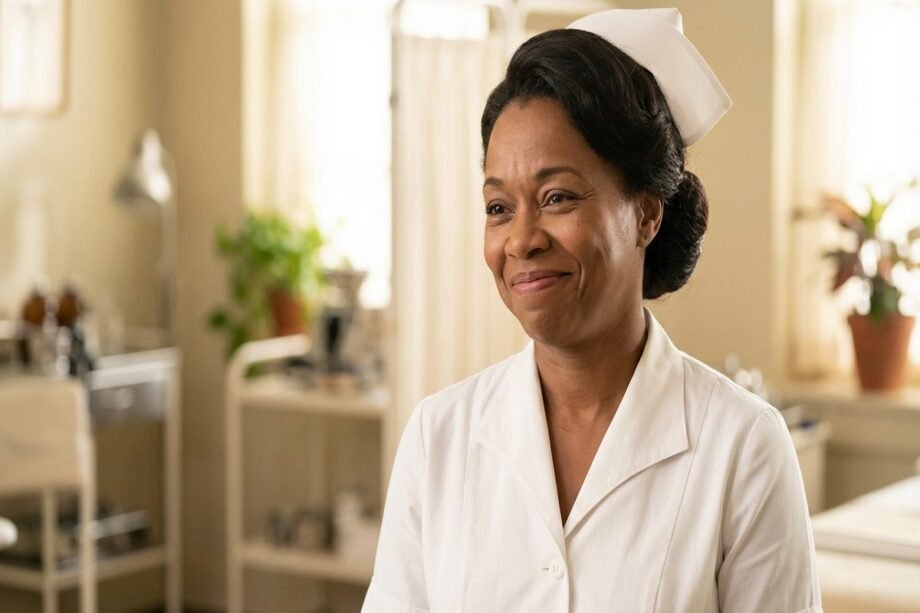
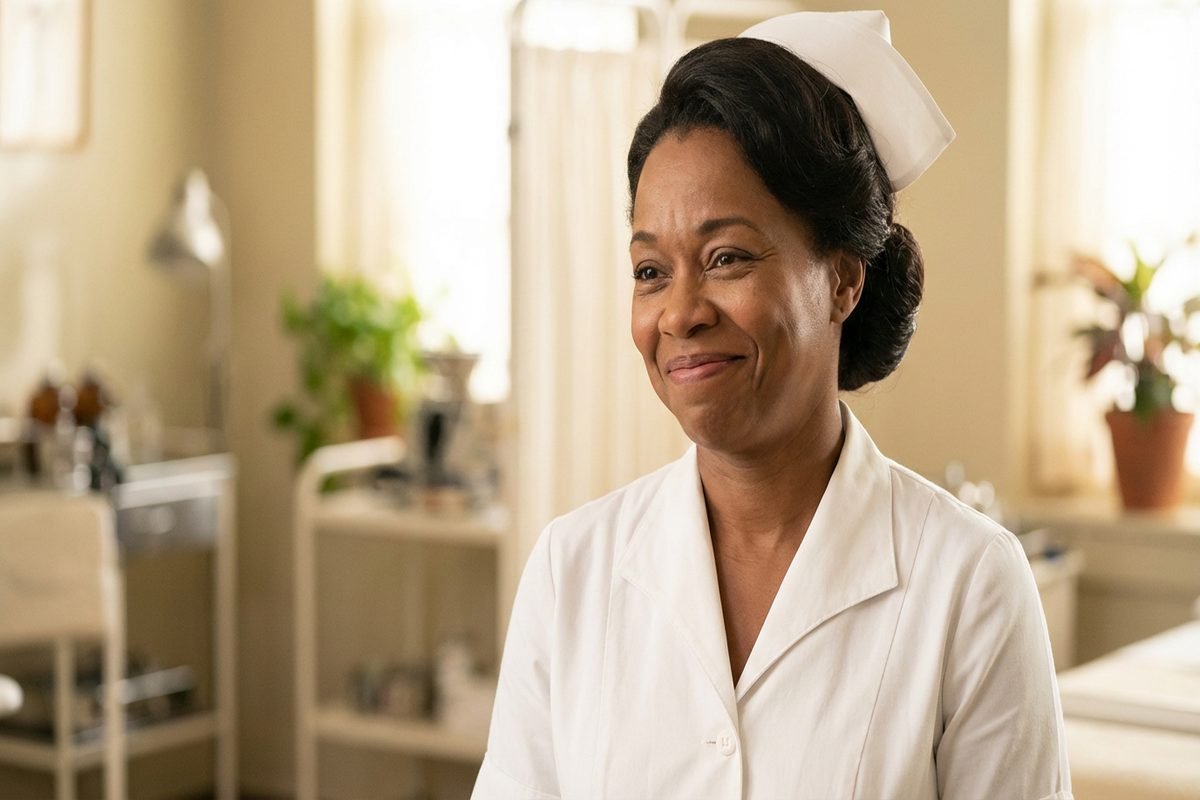
Instead, she became a nurse. She worked at Boeing Company, where she built friendships that lasted decades. Her days were spent helping people heal, listening to their worries, and making sure they felt cared for.
Was it glamorous? No. Did it come with fame? Not at all. But it was hers, and it was meaningful. While her siblings were on tour buses, Carl was on hospital floors. While they signed autographs, she held patients’ hands.
Family and Personal Life
Carl built the family life she’d always wanted. She became a mother to three children: Herman E. Wheatley III, Charles G. Smith, and Vivian Smith.
Vivian would pass away before Carl, a loss that no parent should have to endure. But through it all, Carl remained devoted to her family. She became a grandmother, then a great-grandmother, watching her family tree grow in ways that brought her deep joy.
Her home in Detroit wasn’t fancy, but it was filled with the kind of warmth that money can’t buy. Sunday dinners, grandchildren running through the house, the smell of home cooking—these were the things that mattered to Carl.
She gave her children what she’d missed in her own childhood: stability, presence, and unconditional love.
A Sister’s Love
For years, Carl and Aretha’s relationship remained mostly private. They didn’t appear in public together often. Their lives were too different for that.
But when Aretha Franklin passed away in 2018, something remarkable came to light. In a handwritten will from 2014, Aretha had left $50,000 to Carl Ellan Kelley. The will even noted, “We have different mothers.”
That simple provision said so much. It said, “You’re my sister.” It said, “I see you.” It said, “You matter.”
For Carl, who’d spent so much of her life in the background, this was Aretha’s way of making sure the world knew they were family. Not just by blood, but by choice.
Legacy of Quiet Strength
On January 30, 2019, Carl Ellan Kelley’s heart finally gave out. She was 78 years old, and she’d been fighting heart disease for years.
Her funeral was a quiet affair compared to the massive public memorial that had been held for Aretha just months earlier. But the people who came knew what Carl had meant to them—not as a celebrity’s sister, but as a mother, grandmother, friend, and caregiver.
She was buried at Woodlawn Cemetery in Detroit, joining her father and Aretha in their final resting place. Even in death, the family was together.
Carl’s legacy isn’t written in record books or displayed in museums. It’s written in the lives of the patients she cared for, the children she raised, and the quiet dignity with which she lived every day. She proved that you don’t need fame to live a life that matters. You just need courage, compassion, and the strength to be yourself—even when the world expects you to be someone else.