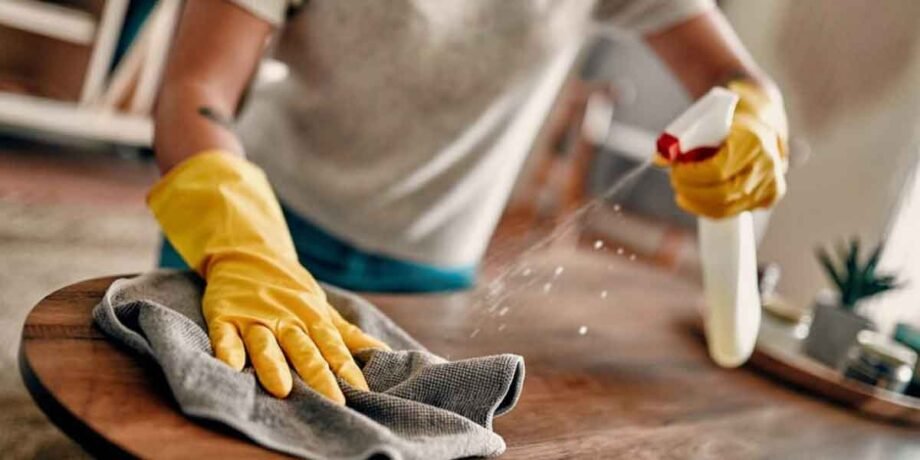
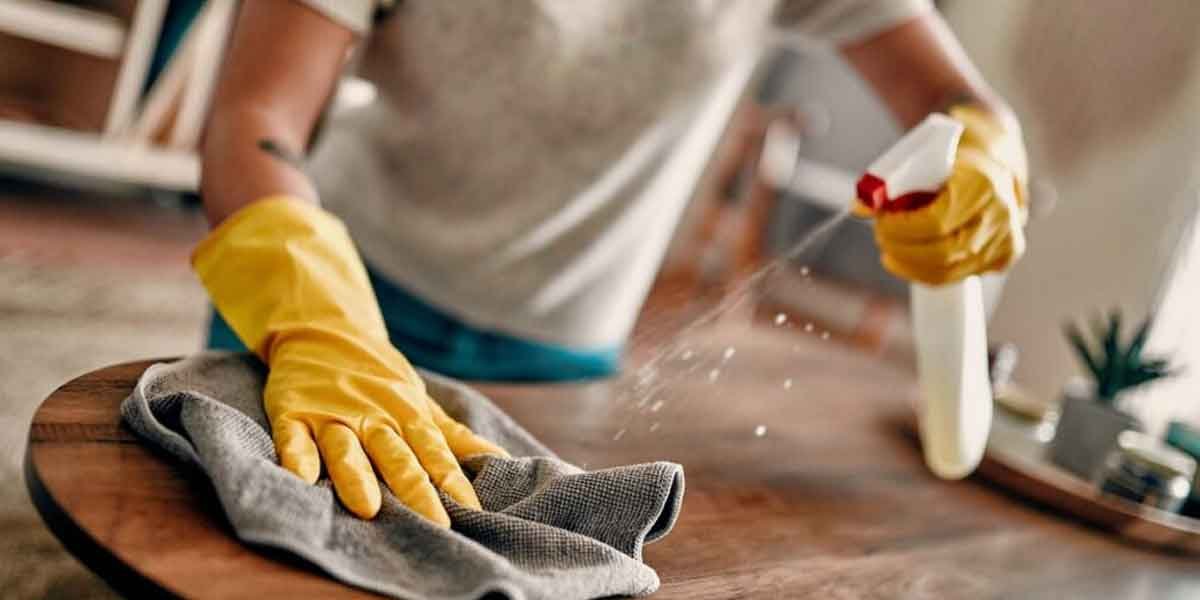

Maintaining a clean home while managing a demanding schedule requires structured routines and efficient cleaning systems. Without a defined approach, household tasks accumulate quickly, leading to clutter, unsanitary conditions, and increased time requirements for deep cleaning. Effective home maintenance relies on task prioritization, time-efficient cleaning techniques, and strategic outsourcing when necessary.
A structured cleaning system allows homeowners to maintain hygienic living conditions without dedicating large blocks of time to housekeeping.
Contents
Prioritize High-Traffic Areas First
Not every part of a home requires daily cleaning. High-traffic areas accumulate dirt, dust, and bacteria more quickly and should receive the most frequent attention. These areas typically include kitchens, bathrooms, entryways, and living rooms.
Key cleaning priorities in high-use areas include:
- Kitchen surfaces and countertops, where food preparation occurs
- Bathroom sinks and fixtures, which collect moisture and bacteria
- Entryway floors, where outdoor debris accumulates
- Shared living spaces, which experience frequent use
Focusing on these locations ensures that the most visible and hygienically important parts of the home remain clean even when time is limited.
Regular attention to high-traffic zones prevents grime buildup that would otherwise require intensive deep cleaning later.
Break Cleaning Tasks Into Short Intervals
One of the most effective strategies for maintaining cleanliness with a busy schedule is dividing household tasks into short time blocks. Instead of attempting to clean the entire home at once, smaller tasks can be completed during short periods throughout the week.
Examples of quick maintenance tasks include:
- Wiping kitchen counters after meals
- Loading and unloading the dishwasher daily
- Vacuuming high-use areas every few days
- Sanitizing bathroom surfaces once or twice per week
These tasks typically require less than ten minutes but prevent the accumulation of dirt and clutter. When performed consistently, they significantly reduce the need for time-consuming weekend cleaning sessions.
Short cleaning intervals are also easier to integrate into daily routines such as after cooking or before leaving the house.
Use Efficient Cleaning Tools and Supplies
Cleaning efficiency depends heavily on the tools used. Modern cleaning equipment allows homeowners to remove dirt and bacteria quickly without excessive effort.
Recommended tools include:
- Microfiber cloths, which trap dust and debris more effectively than traditional rags
- High-efficiency vacuum cleaners designed for multi-surface cleaning
- Multipurpose cleaning solutions that reduce the need for multiple products
- Spray disinfectants for quick sanitation of frequently touched surfaces
Keeping cleaning tools stored near the areas where they are used also improves efficiency. For example, storing bathroom cleaning supplies under the sink allows quick access during routine maintenance.
Efficient tools reduce the physical effort required to maintain a clean environment while saving time.
Implement Weekly Maintenance Routines
Structured weekly cleaning routines help maintain order without overwhelming busy schedules. Assigning specific tasks to certain days ensures that each part of the home receives attention on a regular basis.
A simple weekly schedule might include:
- Monday: Laundry and bedroom tidying
- Wednesday: Bathroom sanitation
- Friday: Kitchen appliance cleaning
- Weekend: Floor vacuuming and dusting
These routines divide cleaning responsibilities into manageable tasks that can be completed quickly.
Consistency is more effective than occasional intensive cleaning sessions. When small tasks are performed regularly, the home remains in a constant state of basic cleanliness.
Reduce Clutter to Simplify Cleaning
Clutter increases cleaning time because surfaces must be cleared before they can be wiped or disinfected. Minimizing unnecessary items throughout the home reduces the time required for maintenance.
Effective clutter management strategies include:
- Limiting decorative objects on frequently used surfaces
- Organizing household items in designated storage areas
- Regularly removing unused or outdated items
Clear surfaces allow for faster dusting and sanitation while reducing visual distractions within the home.
Decluttering also improves air quality by reducing dust accumulation.
Use Professional Cleaning Services When Necessary
Even with structured routines, busy schedules may leave little time for thorough cleaning. Professional cleaning services can help maintain hygiene standards while freeing homeowners to focus on work or personal responsibilities.
Homeowners in larger cities often rely on services such as Calgary cleaners to handle tasks including deep cleaning, floor care, and full-home sanitation.
Professional cleaners typically use industrial-grade equipment and structured cleaning checklists that address areas often overlooked during routine maintenance.
Outsourcing periodic deep cleaning can complement daily maintenance routines and prevent long-term buildup of dirt or allergens.
Maintain Daily Habits That Support Cleanliness
Long-term cleanliness depends on small daily habits. Simple behavioral changes can significantly reduce the amount of time required for cleaning.
Examples include:
- Returning items to storage immediately after use
- Cleaning kitchen surfaces while cooking rather than afterward
- Sorting laundry daily rather than allowing it to accumulate
- Removing shoes near the entrance to reduce dirt inside the home
These habits prevent clutter and dirt from spreading throughout the house.
Maintaining a clean home with a busy schedule requires structured routines, efficient tools, and disciplined daily habits. By prioritizing high-traffic areas, breaking tasks into short intervals, reducing clutter, and using professional services when necessary, homeowners can maintain hygienic living spaces without dedicating large amounts of time to cleaning. Consistency and organization are the key factors that allow cleanliness to be maintained even within demanding schedules.