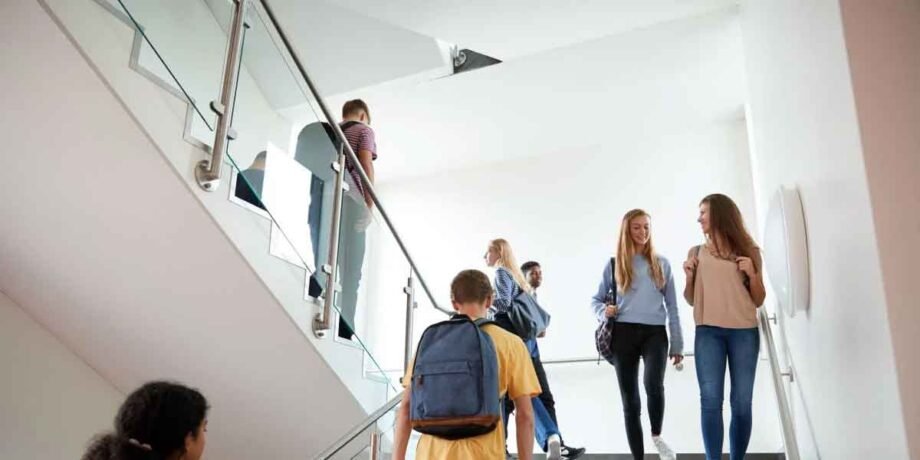
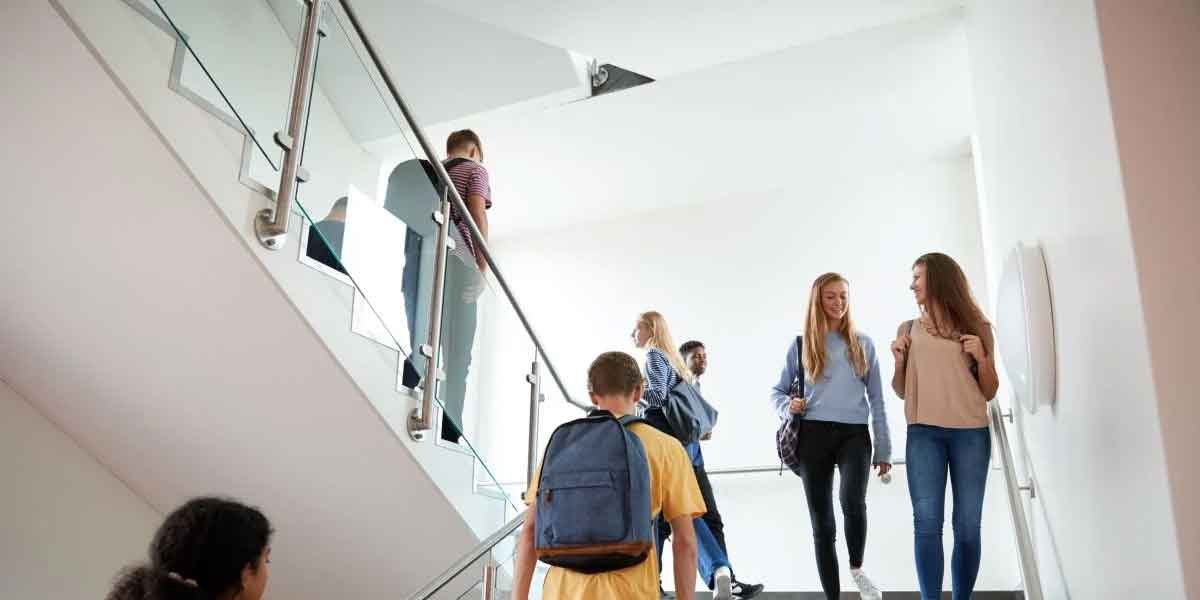

Schools are responsible for maintaining environments where students can learn without exposure to unnecessary health or security risks. Indoor safety requires coordinated systems that monitor behavior, maintain building security, and address emerging risks such as substance use, air quality issues, and emergency preparedness. Modern school safety strategies combine policy enforcement, building design, and technology to improve visibility and response times within indoor spaces.
Effective indoor safety programs rely on both prevention and detection systems that help administrators identify issues early and respond quickly.
Contents
Monitoring Indoor Environments with Detection Technology
Technology has become a key component of indoor safety programs in schools. Monitoring systems help administrators identify safety concerns that may otherwise remain undetected in restrooms, locker rooms, or hallways where supervision can be limited.
Many schools have begun installing devices such as vape detectors for schools to identify vaping activity and air quality changes in indoor areas. These sensors are designed to detect chemical signatures associated with vaping aerosols while also monitoring environmental conditions such as humidity and air particles.
Detection systems typically provide several operational capabilities:
- Real-time alerts sent to administrators when vaping is detected
- Air quality monitoring that tracks environmental changes
- Tamper detection to identify attempts to disable devices
- Integration with building security systems
Because these systems operate continuously, they allow school administrators to identify patterns of behavior and respond before issues escalate.
Indoor detection technology also helps reduce health risks associated with vaping exposure in shared spaces.
Strengthening Access Control and Entry Monitoring
Controlling access to school buildings is a fundamental component of indoor safety. Unauthorized entry creates security vulnerabilities that may place students and staff at risk.
Schools improve building access control by implementing:
- Single-point entry systems where visitors must check in at a monitored entrance
- Electronic badge systems for staff and authorized personnel
- Visitor management systems that track guests entering the building
- Video surveillance systems at entrances and hallways
These systems create a controlled environment where school staff can verify the identity and purpose of anyone entering the building.
Electronic access control also allows administrators to restrict access to certain areas such as laboratories, administrative offices, or equipment storage rooms.
Improving Supervision in High-Risk Areas
Certain areas within school buildings require additional monitoring because they are more difficult to supervise directly. Locations such as restrooms, locker rooms, and stairwells often present safety challenges due to limited visibility.
Schools address these challenges through a combination of strategies:
- Strategic staff placement during passing periods or breaks
- Sensor-based monitoring technologies that detect unusual activity
- Clear supervision schedules for teachers and staff
While privacy must be respected in sensitive areas, indirect monitoring systems allow schools to identify concerning behavior patterns without violating privacy guidelines.
Effective supervision policies reduce opportunities for misconduct while maintaining safe student environments.
Enhancing Emergency Response Systems
Indoor safety planning must also address emergency scenarios such as medical incidents, fires, or security threats. Schools improve response times by implementing structured emergency communication systems.
Key emergency infrastructure often includes:
- Public address (PA) systems capable of building-wide announcements
- Emergency notification software that alerts staff and administrators
- Clearly marked evacuation routes and safety signage
- Emergency call buttons in key locations
These systems allow administrators to communicate quickly during emergencies and guide students to appropriate safety procedures.
Routine emergency drills also help students and staff understand how to respond to various situations, reducing confusion during real incidents.
Maintaining Indoor Air Quality and Environmental Health
Healthy indoor air quality is another important aspect of student safety. Poor ventilation or airborne contaminants can affect student health, concentration, and overall comfort.
Schools improve indoor environmental safety through:
- High-efficiency air filtration systems
- Regular HVAC maintenance and inspection
- Air quality monitoring sensors
- Building ventilation improvements
Monitoring air quality helps detect pollutants or environmental conditions that may contribute to respiratory problems or other health concerns.
Maintaining healthy indoor environments supports both safety and academic performance.
Training Staff to Recognize Safety Risks
Technology and infrastructure alone cannot ensure student safety. School staff must also be trained to identify and respond to potential risks within indoor environments.
Training programs often include:
- Recognizing behavioral warning signs
- Responding to substance use concerns
- Managing medical emergencies
- Coordinating with security personnel
Staff awareness programs encourage early intervention when safety issues arise.
When teachers, administrators, and support staff understand safety protocols, schools are better equipped to maintain a secure environment for students.
Developing Comprehensive Safety Policies
Indoor safety strategies work best when supported by clearly defined policies. Schools should establish guidelines that outline expectations for student behavior, monitoring practices, and incident reporting procedures.
Comprehensive policies typically address:
- Substance use prevention
- Bullying and harassment reporting
- Visitor access procedures
- Emergency response protocols
Clear policies provide consistent standards that guide both students and staff in maintaining safe indoor environments.
Improving indoor safety in schools requires a coordinated approach that combines technology, supervision, environmental management, and staff training. Monitoring systems, access control measures, emergency communication infrastructure, and air quality management all contribute to safer school buildings. By implementing comprehensive safety strategies, schools create indoor environments where students can focus on learning while administrators maintain effective oversight and rapid response capabilities.