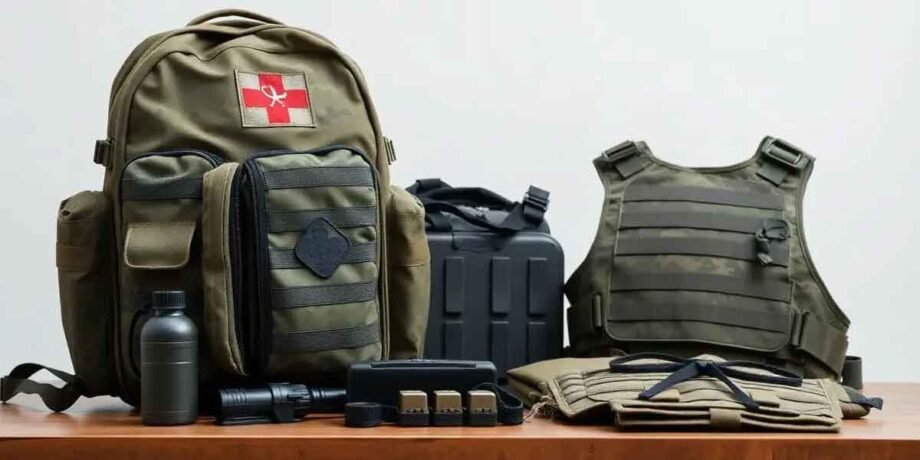
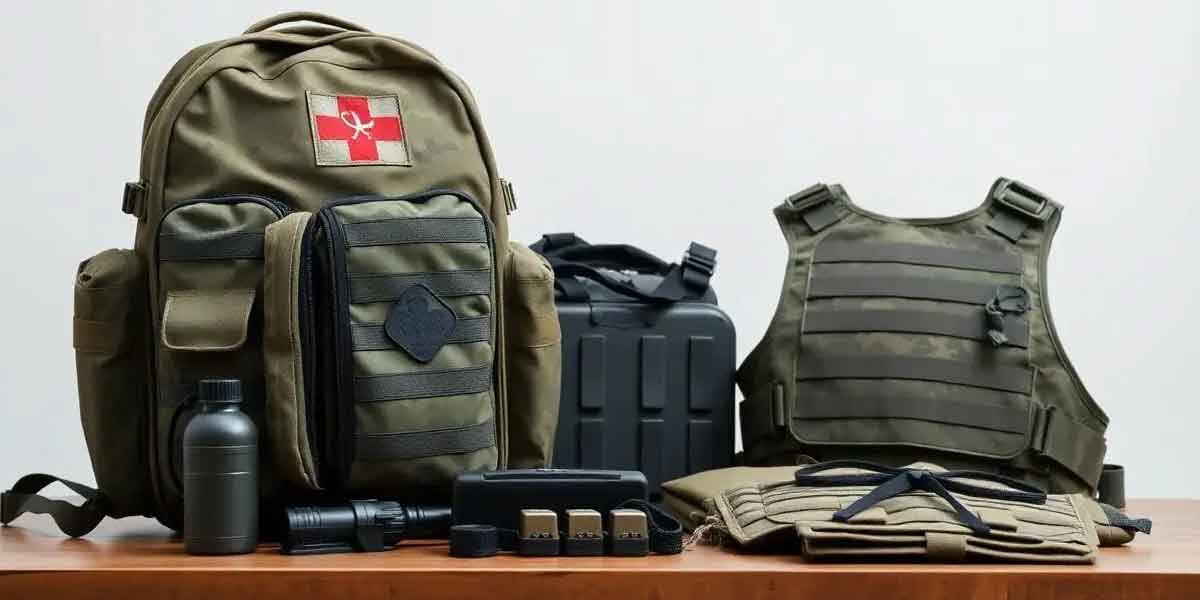

Preparedness equipment is increasingly used in professional environments where safety, mobility, and operational readiness are critical. Security teams, facility managers, field technicians, and emergency response personnel often rely on tactical gear to carry equipment, respond to incidents, and maintain organized access to tools during demanding work conditions. Properly selected tactical gear supports efficiency, improves safety protocols, and ensures that essential tools remain accessible throughout the workday.
Understanding how tactical equipment functions within workplace operations allows organizations to build practical gear systems that support daily responsibilities without unnecessary bulk.
Contents
Protective Equipment and Load-Bearing Systems
Many workplace environments require personnel to carry protective equipment while maintaining mobility. Load-bearing systems allow employees to transport essential gear such as communication devices, first aid kits, and operational tools without interfering with movement.
Plate carrier platforms are often used in security and protective service roles because they combine protective capability with modular storage. Equipment such as shellback plate carriers supports ballistic plates while also providing attachment points for operational equipment.
Key design features of modern load-bearing systems include:
- MOLLE webbing systems for attaching modular pouches
- Adjustable shoulder and waist straps to distribute weight evenly
- High-strength materials such as Cordura nylon for long-term durability
- Ventilation channels to improve comfort during extended shifts
When properly configured, these systems allow personnel to carry mission-critical tools without slowing movement or reducing situational awareness.
Multi-Tool Equipment for Field Tasks
Many workplace roles require technicians or security personnel to perform quick repairs or adjustments while on duty. Multi-purpose tools reduce the need to carry large toolkits while still providing essential functionality.
Common multi-tool components include:
- Pliers for gripping and equipment adjustments
- Wire cutters for cable management
- Screwdrivers for equipment maintenance
- Small blades for cutting packaging or materials
High-quality multi-tools are typically constructed from hardened stainless steel and designed to withstand repetitive use. For field technicians or facilities personnel, these tools allow minor repairs to be completed quickly without returning to maintenance stations.
Compact tools also reduce load weight while maintaining practical functionality.
Lighting Systems for Operational Visibility
Reliable lighting equipment is essential in many professional settings, particularly in security, maintenance, and facility operations roles where personnel may work in low-light conditions.
Important lighting equipment includes:
- High-lumen handheld flashlights for inspections
- Headlamps for hands-free operation
- Backup lighting devices in case primary lights fail
Modern LED flashlights often produce several hundred to thousands of lumens while maintaining compact designs suitable for belt carry. Many models include adjustable brightness settings and durable housings capable of withstanding drops or environmental exposure.
Headlamps are especially valuable for technicians performing maintenance tasks where both hands must remain free.
Reliable lighting ensures workers can safely inspect equipment, identify hazards, and navigate dark environments.
Communication and Coordination Tools
Workplace preparedness also depends on reliable communication systems. In large facilities, industrial environments, or event security operations, communication tools allow teams to coordinate responses and relay critical information.
Common communication equipment includes:
- Two-way radios for team coordination
- Earpieces for discreet communication
- Backup communication devices for redundancy
Two-way radios remain widely used in security and facilities management because they function independently of cellular networks. They allow teams to communicate across large buildings, campuses, or outdoor environments where phone service may be unreliable.
Efficient communication equipment improves response times during incidents and supports coordinated teamwork.
Medical Response Equipment for Workplace Safety
Preparedness gear used in professional environments often includes emergency medical supplies. Quick access to basic trauma equipment allows staff to respond to injuries before emergency medical personnel arrive.
Typical workplace medical kits include:
- Tourniquets for severe bleeding control
- Pressure bandages and gauze
- Protective gloves and antiseptic supplies
- Compact trauma kits designed for rapid access
Many organizations position medical kits on tactical vests or belt pouches so they remain immediately accessible during emergencies.
Training is essential when carrying medical equipment. Employees should understand how to apply trauma care tools correctly in order to stabilize injuries until professional assistance arrives.
Organized Carry Systems for Work Equipment
Preparedness gear must be carried in systems that maintain organization throughout a work shift. Tactical backpacks and modular pouch systems help employees store equipment in clearly defined compartments.
Important design characteristics include:
- Reinforced stitching for long-term durability
- Weather-resistant materials for outdoor environments
- Internal compartments for separating tools and electronics
- Compression straps to stabilize gear during movement
Organized carry systems prevent equipment from shifting during movement and allow workers to retrieve tools quickly when responding to tasks or incidents.
Proper weight distribution also reduces fatigue during long shifts.
Environmental Preparedness for Field Operations
Employees working outdoors or in remote environments must also account for environmental conditions. Field personnel often carry additional preparedness gear to manage weather exposure and operational challenges.
Common environmental equipment includes:
- Lightweight rain shells or weather-resistant jackets
- Hydration systems for extended outdoor activity
- Thermal blankets for emergency warmth
- Portable water filtration systems for remote locations
These tools help maintain worker safety during unpredictable weather conditions or extended field assignments.
Workplace preparedness relies on equipment that improves efficiency, safety, and accessibility during daily operations. Load-bearing systems, multi-purpose tools, lighting equipment, communication devices, and medical supplies form the core of practical tactical gear used in professional environments. When these systems are properly configured, employees can perform their duties more effectively while maintaining readiness for unexpected situations.