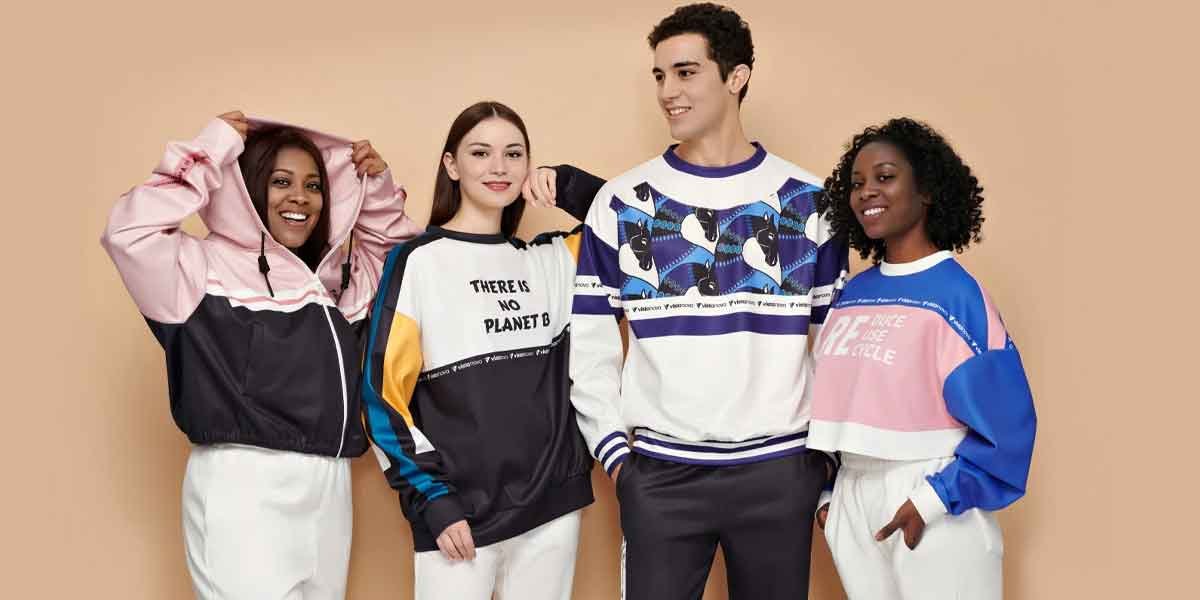

Customizing clothing allows individuals to transform standard garments into unique pieces that reflect personal style, branding, or organizational identity. Clothing customization techniques range from simple decorative additions to more advanced textile modification processes. By combining design planning with appropriate materials and application methods, garments can be altered without compromising durability or fabric integrity.
Effective clothing customization requires understanding how different materials interact with fabrics and how modifications affect long-term wear.
Contents
Apply Fabric Patches for Durable Customization
Fabric patches are one of the most widely used customization methods because they provide strong visual impact while maintaining garment durability. Patches can display logos, artwork, text, or symbols and are commonly used on jackets, uniforms, backpacks, and denim garments.
Many people use custom iron on patches because they provide a convenient method for attaching designs without sewing. These patches use heat-activated adhesive backing that bonds the patch to the fabric when pressed with an iron or heat press.
Important technical considerations when applying patches include:
- Fabric compatibility: Cotton, denim, and canvas typically bond well with heat-activated adhesives.
- Heat distribution: Even pressure and consistent temperature ensure proper adhesion.
- Reinforcement stitching: Adding stitching around the patch perimeter increases long-term durability.
Patches allow garments to be modified without altering the underlying fabric structure, making them ideal for both decorative and functional customization.
Use Fabric Paint and Textile Markers
Fabric paints and textile markers provide a direct way to apply artwork to garments. These tools are designed to bond with fabric fibers while maintaining flexibility after drying.
When using fabric paint, the garment should be placed on a flat surface with a protective barrier beneath the fabric to prevent paint transfer. Stencils or masking tape can be used to control design boundaries and create clean edges.
Technical factors to consider include:
- Paint composition: Acrylic-based textile paints typically offer strong color retention.
- Heat setting: Many paints require heat application after drying to improve wash resistance.
- Layer thickness: Thin layers reduce cracking and maintain fabric flexibility.
Textile markers are often used for fine details such as lettering or line work. Because the ink penetrates fibers more deeply than paint, it tends to produce more durable results for intricate designs.
Modify Garments with Embroidery
Embroidery adds texture and durability to clothing customization. Unlike surface paint or printed designs, embroidered patterns are stitched directly into the fabric.
Embroidery customization may include:
- Decorative patterns on sleeves or collars
- Monograms or personalized initials
- Logo embroidery for uniforms
- Decorative threadwork on denim or canvas fabrics
Modern embroidery machines allow for complex designs with multiple thread colors. However, hand embroidery remains popular for smaller decorative elements.
When applying embroidery to clothing, stabilizing the fabric with embroidery hoops or backing material helps prevent distortion during stitching.
Embroidery is particularly effective on heavier fabrics such as denim, canvas, or wool because these materials support dense stitching without tearing.
Alter Garment Structure for Unique Design
Structural alterations change the shape or silhouette of clothing. While more technically demanding than decorative methods, these modifications can dramatically transform a garment’s appearance.
Examples of structural customization include:
- Cropping or shortening jackets and shirts
- Adding zippers or pockets to existing garments
- Converting long sleeves into short sleeves
- Adjusting hems for asymmetrical designs
When performing structural alterations, accurate measurement and proper sewing techniques are essential. Reinforcing seams and using thread compatible with the garment’s original construction ensures that modifications remain durable.
Structural customization is particularly useful when repurposing older clothing that may no longer fit current fashion preferences.
Combine Multiple Materials for Layered Designs
Advanced clothing customization often involves combining different materials to create layered visual effects. These materials may include:
- Fabric panels
- Leather accents
- Decorative studs or metal hardware
- Reflective strips for visibility
Layered materials create depth and texture that cannot be achieved through surface decoration alone.
However, attaching additional materials requires attention to fabric strength and garment flexibility. Heavier decorative components should be placed in areas where the fabric experiences minimal stretching, such as jacket backs or pant legs.
Proper attachment techniques—such as reinforced stitching or rivets—help prevent decorative elements from detaching during wear.
Use Dye Techniques for Color Transformation
Dyeing is another effective customization method that changes the color profile of garments. Fabric dye interacts chemically with fibers to produce permanent color changes.
Common dye techniques include:
- Tie-dye patterns created through fabric folding and binding
- Dip dyeing for gradient color transitions
- Full garment dyeing to change the base color completely
The effectiveness of dyeing depends on the fabric composition. Natural fibers such as cotton and linen absorb dye more readily than synthetic fabrics like polyester.
Proper dye fixation techniques—such as heat setting or chemical fixatives—help maintain color vibrancy after repeated washing.
Maintain Durability After Customization
Clothing customization should not compromise garment longevity. After applying modifications, proper care helps preserve both the fabric and decorative elements.
Maintenance practices include:
- Washing garments in cold water to prevent color fading
- Turning garments inside out to protect surface decorations
- Avoiding high heat drying when adhesive materials are present
These practices help ensure that customized clothing remains wearable and visually consistent over time.
Customizing clothing combines creativity with practical textile techniques. Methods such as fabric patches, embroidery, dyeing, and structural modifications allow individuals to transform standard garments into distinctive pieces. When these techniques are applied with attention to fabric compatibility and durability, customized clothing maintains both visual impact and long-term wearability.