
What if the most compelling myths aren’t ancient relics, but are being forged right now in the digital ether? A name surfaces in the quiet corners of the internet, whispered in creative forums and woven into modern fantasy. It has no entry in dusty history books, yet it holds a strange power over the imagination.
This name is Phaelariax Vylorn. It represents a new kind of legend—one born from collective creativity, a digital folklore that embodies our fascination with mystery, duality, and the allure of forbidden knowledge. It is a concept that feels both timeless and distinctly modern, a puzzle box of meaning waiting to be opened.
This guide ventures beyond a simple definition. We will dissect the name’s linguistic roots, explore the psychological reasons for its powerful resonance, and offer a practical roadmap for writers, artists, and world-builders. Prepare to uncover not just a myth, but a tool for profound creative expression.
Contents
What Is Phaelariax Vylorn, Really?
At its heart, Phaelariax Vylorn is not a person, place, or historical event. It is a symbolic concept, a fluid and multi-layered idea that thrives in the realms of fantasy and speculative fiction. Think of it less as a static entry in an encyclopedia and more as a living myth, collectively shaped by a global community of creators.
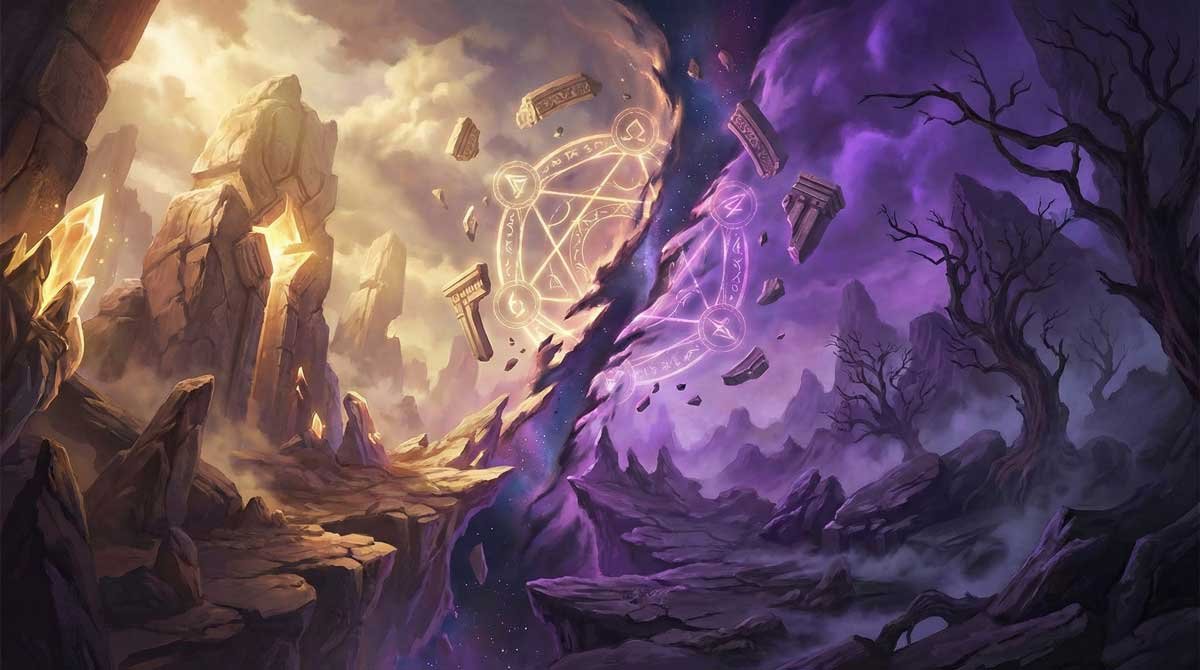
Its power lies in its refusal to be pinned down. Phaelariax Vylorn has no single, official meaning. Instead, it acts as a canvas for exploring complex themes. It is a name that evokes a sense of profound mystery and untamed power, inviting us to project our own ideas of light, shadow, and the unknown onto it.
Across its many interpretations, several core characteristics emerge:
- Duality: It often represents the balance or conflict between opposing forces, such as light and shadow, order and chaos, or creation and destruction.
- Forbidden Knowledge: The name is almost always linked to a hidden, dangerous, or transformative truth that challenges our understanding of reality.
- Cosmic Balance: In many narratives, it functions as a guardian or disruptor of cosmic equilibrium, a force whose actions have universe-altering consequences.
- A Shapeshifting Nature: It can manifest as a sentient being, a powerful artifact, a forgotten place, or even a metaphysical state of being.
“Phaelariax Vylorn is the tear in the fabric of our perceived reality. It’s not something you find; it’s something that finds you when you look too closely at the seams.”
The Linguistic Archaeology: Deconstructing Phaelariax Vylorn
A name’s power often comes from its sound and the echoes of meaning embedded within it. Phaelariax Vylorn feels ancient and significant because it is built from linguistic blocks that resonate with themes of myth and fantasy. By breaking it down, we can uncover the subtle artistry that gives it such imaginative weight.
The “Phael” Root: A Glimmer of Light and Shadow
The prefix “Phael-” immediately sets a mystical tone. It bears a strong resemblance to Greek roots like phaos (light) and phainō (to bring to light, to show). This connection suggests something luminous or revelatory. However, in fantasy naming conventions, this “light” is often ambiguous. It could be the light of truth, or it could be a blinding, dangerous radiance, hinting at the dual nature of the knowledge Phaelariax Vylorn represents.
The “-lorn” Suffix: An Echo of Solitude
The suffix “-lorn” is a powerful emotional anchor. Directly borrowed from English, it means “forsaken,” “desolate,” or “abandoned.” Think of the word “forlorn.” This single syllable adds a layer of tragedy and isolation to the name. It suggests a being or power that is profoundly alone—perhaps a fallen guardian, an outcast entity, or the last remnant of a forgotten cosmic order. This inherent sadness creates a compelling paradox: a being of immense power, yet marked by solitude.
The “Vylorn” Mystery: Forged in Fantasy
“Vylorn” is the most enigmatic part of the name, likely a purely creative construction designed for its phonetic appeal. It combines smooth, resonant sounds (V, L, R) with a sense of gravitas. We can speculate on its associations: “Vyl” might evoke “vile” or “veil,” hinting at corruption or concealment. The “orn” ending often appears in fantasy names to denote importance or adornment. Together, “Vylorn” feels both elegant and vaguely sinister, perfectly complementing the name’s core duality.
| Name Component | Phaelariax Vylorn | Comparison to Other Fantasy Names |
|---|---|---|
| Mystical Prefix | Phael- (Light/Shadow) | Sauron: (From “abhorred” in Tolkien’s invented language) – immediately signals evil. |
| Emotional Suffix | -lorn (Solitude/Loss) | Cthulhu: (Intentionally unpronounceable) – creates a sense of alien otherness. |
| Constructed Name | Vylorn (Elegant/Sinister) | Voldemort: (French for “flight of death”) – directly states the character’s nature. |
The Psychology of the Abyss: Why We Crave Forbidden Knowledge
The endurance of a myth like Phaelariax Vylorn isn’t just about clever naming or creative storytelling. It’s deeply rooted in the architecture of the human mind. The concept resonates because it taps into fundamental psychological drivers that shape our relationship with the world. It’s a mirror reflecting our own inner complexities.
The Allure of the Unknown
Humans are wired for curiosity. Our brains are built to seek out patterns, solve puzzles, and explore the boundaries of our knowledge. A concept like Phaelariax Vylorn is the ultimate puzzle box. It presents a mystery with no definitive solution, creating an information gap that our minds are eager to fill. This craving for closure in the face of the unknown is a powerful psychological hook that keeps us engaged.
Jungian Archetypes and the Shadow Self
Swiss psychiatrist Carl Jung proposed that all humans share a collective unconscious, populated by universal archetypes. Phaelariax Vylorn is a potent manifestation of the **Shadow archetype**. The Shadow represents the unknown, repressed, and darker aspects of our personality. It holds our fears, but also our hidden strengths and creative potential. By engaging with a symbol of the Shadow like Phaelariax Vylorn, we are, on a subconscious level, exploring our own inner darkness in a safe, symbolic space. [1]
Cognitive Dissonance and Duality
The concept’s inherent duality—light and dark, order and chaos, good and evil—creates a fascinating form of cognitive dissonance. Our minds tend to seek simple, clear-cut categories. Phaelariax Vylorn defies this. It forces us to hold two contradictory ideas at once, which is both uncomfortable and deeply compelling. This tension makes the concept more memorable and thought-provoking than a one-dimensional villain or hero could ever be.
A Modern Mythos: How Phaelariax Vylorn Thrives Online
Unlike ancient gods born from oral traditions, Phaelariax Vylorn is a product of the digital age. It is a prime example of what can be called “digital folklore”—a mythos constructed not by a single author, but by a decentralized network of minds on the internet. It evolves with every new story, piece of art, or forum discussion.
This concept thrives in the fertile ground of online communities. On platforms like Reddit, creative writing wikis, and Discord servers, Phaelariax Vylorn is not just consumed; it is actively built. Users contribute their own interpretations, expand its lore, and connect it to new ideas. This collaborative, open-source approach to myth-making is a distinctly modern phenomenon. You can read more about this in our article on Digital Myth-Making Trends.
The process is fundamentally different from traditional mythology. Where ancient myths were passed down through generations with a degree of stability, this digital legend is in a constant state of flux. It adapts, merges with other ideas, and changes to reflect the anxieties and hopes of the current moment. It is a living story, written in real-time by a global, anonymous collective.

Phaelariax Vylorn in Practice: A Guide for World-Builders and Storytellers
Phaelariax Vylorn is more than just a fascinating concept; it’s a powerful tool for creative work. Its ambiguity and depth make it an incredibly versatile element for any writer, game designer, or artist. Here’s how you can harness its power in your own projects.
As a Narrative Catalyst
Use Phaelariax Vylorn to kickstart your plot. It doesn’t need to be a character; it can be an event, an object, or a piece of forbidden lore that sets your story in motion. Imagine a story beginning with the discovery of an artifact bearing the Vylorn sigil, or a scholar who goes mad after translating a text that describes it. It’s the perfect “inciting incident.”
For Character Development
The duality of Phaelariax Vylorn is perfect for creating morally complex characters. A hero might be tempted by its power, blurring the line between right and wrong. A villain might believe they are serving a greater good dictated by the Vylorn ethos. It allows you to move beyond simple good-versus-evil narratives and explore the gray areas of morality.
In World-Building
Build an entire world around the mystery of Phaelariax Vylorn. It could be the name of a dead god whose body forms the landscape, a cosmic entity that your world’s religions are based on, or a recurring prophecy that shapes the political climate. Its presence can add a layer of historical and metaphysical depth to your setting. For more on this, see our guide to advanced world-building.
5 Writing Prompts to Get You Started:
- A cartographer discovers a hidden continent named Vylorn, a place that seems to exist outside of normal space-time.
- In a cyberpunk future, Phaelariax Vylorn is a rogue AI that offers users forbidden knowledge in exchange for their memories.
- A young mage finds a spellbook that contains a single, powerful incantation: the summoning of Phaelariax Vylorn. They don’t know what it does, but they are tempted to find out.
- A detective investigates a series of ritualistic murders, with the only clue being the name “Phaelariax Vylorn” whispered by the sole survivor.
- An entire civilization is built on the principle of balancing the two aspects of Phaelariax Vylorn, but that balance is starting to break.

Case Studies: The Vylorn Legacy in Modern Fiction and Games
While Phaelariax Vylorn is a unique concept, its thematic DNA can be seen across some of the most compelling works of modern fiction and gaming. By examining these “echoes,” we can better understand its appeal and its narrative potential. (Note: These are analytical comparisons, not claims of direct influence.)
Literary Echoes: The Unknowable in Print
In Frank Herbert’s Dune, the Spice Melange is a substance that grants prescience and unlocks consciousness, but at a terrible cost of addiction and physical transformation. It is a form of forbidden knowledge, a cosmic force that shapes the universe’s destiny. This mirrors the high-stakes, transformative power associated with Phaelariax Vylorn. Similarly, the cosmic horror of H.P. Lovecraft, particularly entities like Cthulhu, represents a truth so vast and alien that human minds break when confronted with it—a core theme of the Vylorn mythos.
Gaming’s Final Bosses: Beyond Good and Evil
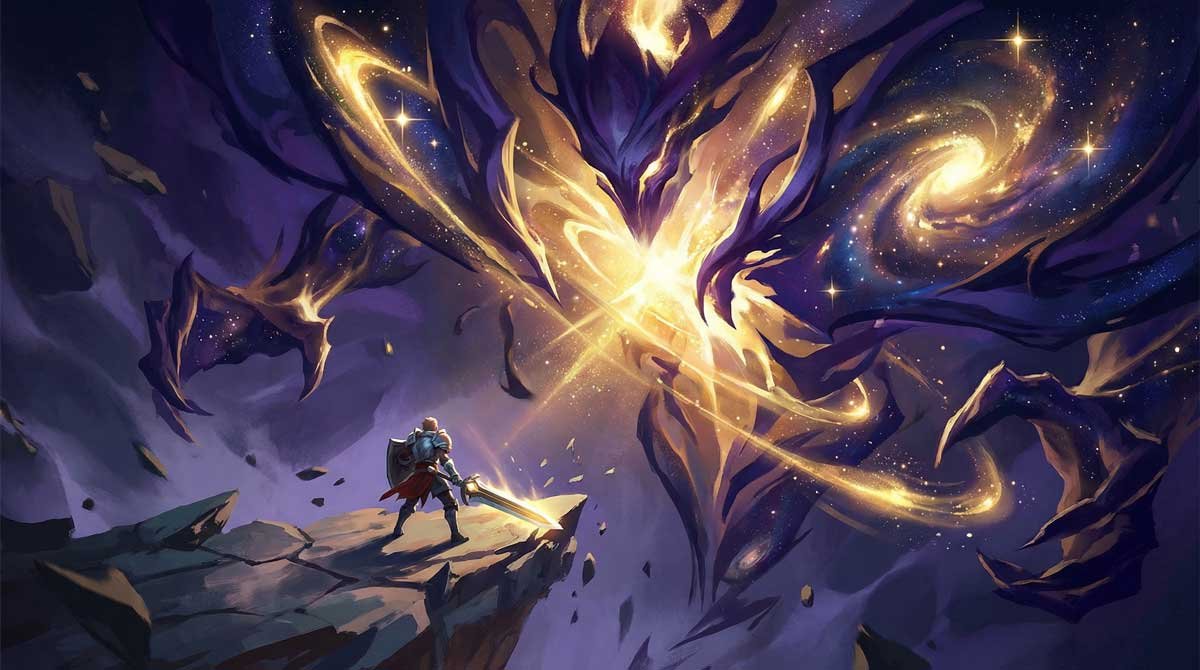
Many of the most memorable video game antagonists are not simply evil; they are complex beings driven by a powerful, often tragic, ideology. Think of Saren in Mass Effect, who believes that submitting to the Reapers is the only way to save organic life, or the final bosses in the Final Fantasy series who seek to remake reality according to their own cosmic philosophy. These characters embody the duality of Phaelariax Vylorn: they are both destroyers and would-be saviors, forcing players to confront uncomfortable questions about morality and sacrifice.
Your Questions About Phaelariax Vylorn, Answered
- 1. What is Phaelariax Vylorn in simple terms?
- In essence, Phaelariax Vylorn is a modern, fictional concept used in creative storytelling. It represents a mysterious and powerful force, often associated with forbidden knowledge, cosmic balance, and the duality of light and darkness. It’s not a real myth, but a tool for imagination.
- 2. Is Phaelariax Vylorn based on real mythology or a modern invention?
- It is a modern invention. While it borrows themes and feelings from real-world mythologies (like the idea of a cosmic entity or a tragic hero), the name and specific lore are a product of contemporary online culture and creative communities. It has no roots in ancient history or religion.
- 3. Why is the concept of “forbidden truth” so central to it?
- The idea of “forbidden truth” is psychologically compelling. It taps into our natural curiosity and the thrill of discovering something hidden or dangerous. It creates immediate stakes and a sense of profound importance, making it a powerful narrative device for any story.
- 4. How can I use this concept in my own creative work?
- You can use it as a central mystery, a character’s motivation, a world-building element, or a symbol for complex moral themes. As outlined in our creator’s guide, its flexibility is its greatest strength. Start with a “what if” question and let the mystery of Phaelariax Vylorn guide your story.
- 5. Where can I find communities discussing Phaelariax Vylorn?
- Look in creative writing forums, world-building subreddits (like r/worldbuilding), and speculative fiction communities online. The concept often appears under different names, but discussions about mysterious, user-created mythologies are common in these spaces. It is a part of the broader digital folklore movement.
Conclusion: Embrace the Mystery
Phaelariax Vylorn is far more than just a strange and beautiful name. It is a testament to the enduring power of myth in the modern world. It proves that we don’t need ancient texts to find wonder; we are actively creating it, together, in the vast, interconnected space of the internet. It is both a fascinating puzzle and a powerful creative instrument.
This concept is a mirror, reflecting our collective fascination with the unknown, our struggle with the duality of our own nature, and our unyielding desire to tell stories that are bigger than ourselves. It is a myth, a tool, and a mystery all at once. It is an invitation to look deeper.
Now, the question passes to you. What does Phaelariax Vylorn mean to you? How will you use its power in your own creative journey? Share your thoughts and ideas in the comments below. Let’s continue building this modern myth, together.
References
[1] Wikipedia contributors. “Shadow (psychology).” Wikipedia, The Free Encyclopedia. Wikipedia, The Free Encyclopedia, 10 Feb. 2026. Web. 18 Feb. 2026.