
Every few years, it happens again. A wave of panic ripples through the internet as headlines, often mentioning NASA, proclaim that the zodiac is wrong. They announce the discovery of new celestial signs and suggest your astrological identity might be a lie. This recurring controversy centers on a so-called 13th zodiac sign, Ophiuchus, sending many to question if they’ve been reading the wrong horoscope all along. But is there any truth to these claims?
This discussion shines a light on the fascinating intersection of astronomy—the scientific study of the stars—and astrology, the ancient practice of interpreting their influence on our lives. While the stars have indeed shifted over millennia, the answer to whether your sign has changed is more complex than you might think. It requires a journey back in time and a closer look at how the zodiac was built.
Contents
The “New” Celestial Signs: Ophiuchus and Cetus
At the heart of the debate are two constellations that the Sun passes through but are not part of the traditional 12-sign zodiac. The most famous is Ophiuchus, but another, Cetus, also briefly crosses the ecliptic, the Sun’s apparent path across the sky.
Ophiuchus: The Serpent-Bearer
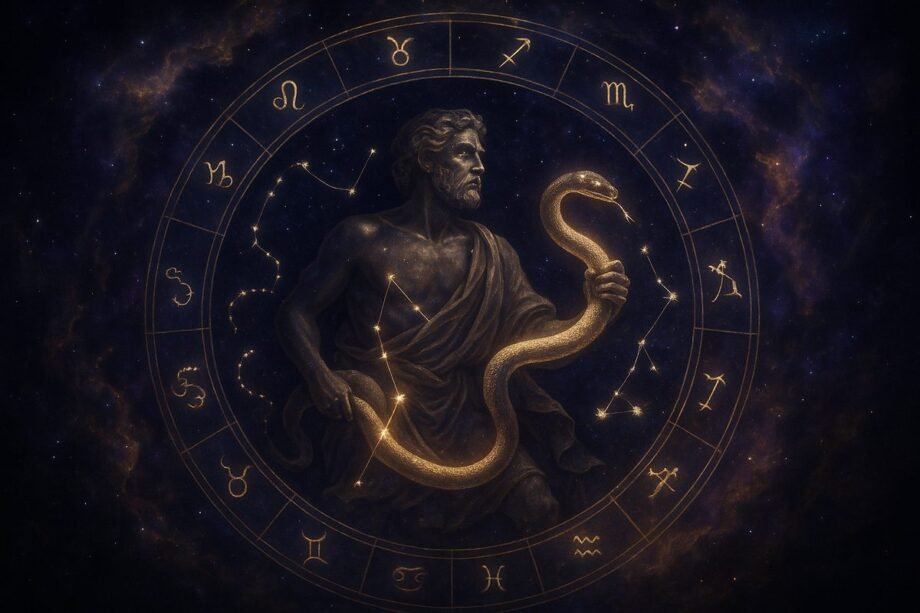
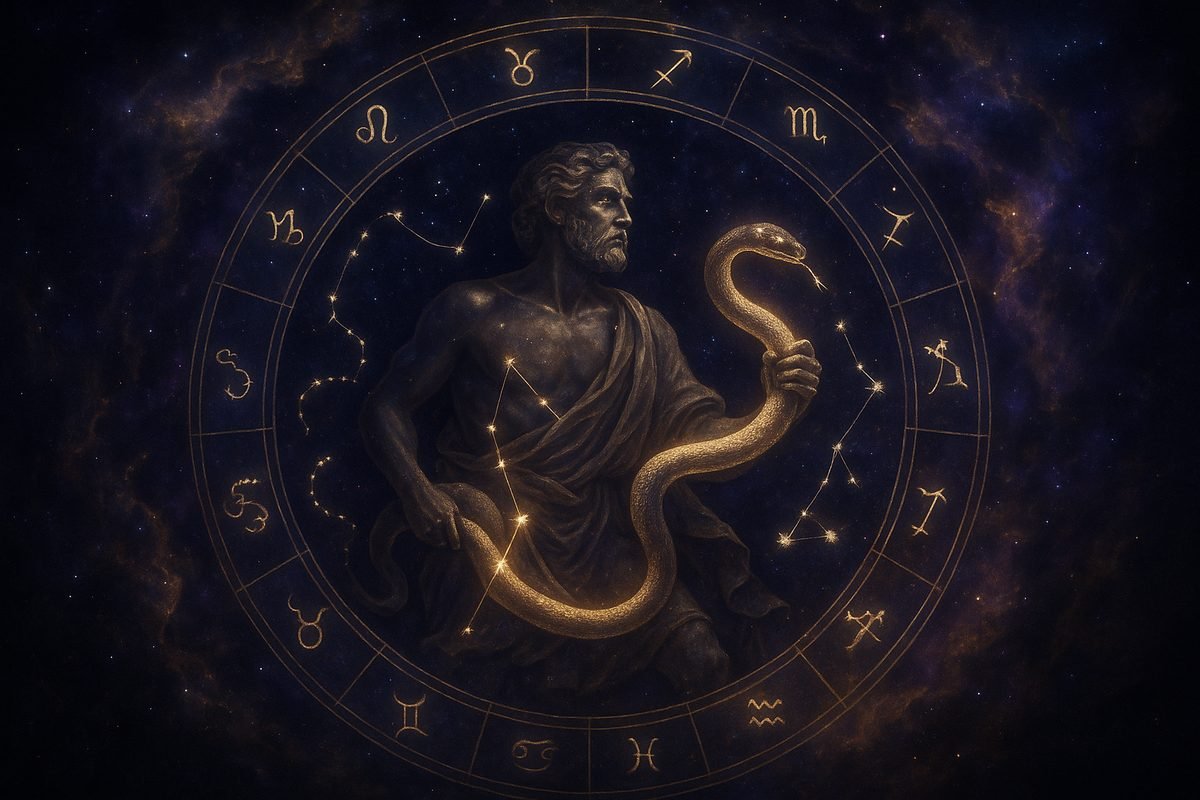
Ophiuchus, the Serpent-Bearer, is a large constellation situated between the familiar signs of Scorpio and Sagittarius. If it were included in the zodiac, it would occupy the dates from approximately November 30th to December 17th. This change would dramatically shorten Scorpio’s reign to only about a week, a major shift in the zodiac signs shift.
In mythology, Ophiuchus is often linked to Asclepius, the Greek god of medicine and healing, who was said to handle a serpent. Proponents of its inclusion describe Ophiuchus individuals as passionate, knowledge-seeking, and possessing a natural gift for healing, blending the intense traits of Scorpio with the adventurous spirit of Sagittarius.
Cetus: The Sea Monster
Even less known in this cosmic controversy is Cetus, the Sea Monster or Whale. This constellation makes a very brief appearance on the ecliptic, with the Sun passing through it for only a day or two around the end of March. While its inclusion is argued for less frequently, it’s another example of a new celestial sign that complicates the traditional zodiac.
In Greek mythology, Cetus was a fearsome sea creature. Its fleeting presence on the zodiac path makes its astrological significance minor, but its existence further highlights the difference between the neat 12-sign system and the more complex astronomical reality.
The Science Behind the Shifting Skies
The reason this debate even exists is due to observable astronomical phenomena that have been known for centuries. The sky we see today is not the same one the ancient Babylonians saw when they first devised the zodiac over 3,000 years ago.
Earth’s Wobble: The Precession of the Equinoxes
The primary driver of this change is a phenomenon called axial precession. Think of the Earth as a spinning top; as it spins, it also has a slow, subtle wobble on its axis. This wobble causes our planet’s orientation toward the stars to change gradually over a massive 26,000-year cycle.
This means the constellation behind the Sun on your birthday slowly drifts. This isn’t breaking news from NASA on the zodiac; the ancient Greek astronomer Hipparchus discovered this effect over two millennia ago. Because of this, the zodiac signs, which were aligned with their namesake constellations thousands of years ago, are now off by about a full sign.
Not All Constellations Are Created Equal
Another key point is that the constellations are not uniform in size. The Babylonians created a tidy system by dividing the sky into twelve equal 30-degree segments. However, the actual star patterns vary wildly in shape and size.
For instance, the Sun passes through the constellation Virgo for about 45 days, while it spends only about seven days in front of Scorpius. This astronomical fact was set aside in favor of creating a symmetrical and orderly system that fit perfectly with their 12-month calendar.
Astrology vs. Astronomy: Why the 12-Sign Zodiac Persists
To truly understand the debate, one must grasp the fundamental difference between astronomy and astrology. Astronomy is a science that studies the physical universe, while astrology is a symbolic system of interpretation.
The Tropical vs. Sidereal Zodiac
Most Western astrology uses the Tropical Zodiac. This system is not tied to the current position of the constellations. Instead, it is fixed to the seasons, with the zodiac beginning every year at the spring equinox. From a Tropical perspective, the precession of the equinoxes is simply not a factor.
In contrast, other systems, like Vedic astrology, use the Sidereal Zodiac. This system does account for precession and aligns the signs with the present-day locations of the constellations. Interestingly, even most sidereal systems do not include Ophiuchus, sticking to the traditional 12-sign framework.
A System of Symbolism and Order
The ancient Babylonians were brilliant astronomers; they knew the Sun’s path crossed through more than 12 constellations. They deliberately chose to create a 12-sign system for its symbolic and mathematical harmony.
The number 12 is deeply significant, aligning with the months of the year and dividing neatly into the four elements (fire, earth, air, water) and three modalities (cardinal, fixed, mutable). This choice created the beautifully structured and balanced system that has been practiced for thousands of years.
So, Has Your Zodiac Sign Really Changed?
For the vast majority of people who follow astrology, the answer is a clear no. If you use the common Tropical Zodiac, your sign is determined by the time of year, not by the constellation currently behind the Sun. The sensational headlines are based on an astronomical observation, but astrology operates as a symbolic language, not a literal star map.
To help clarify the proposed changes, here is a comparison of the traditional dates and the new zodiac dates based on astronomical boundaries:
| Sign | Traditional Dates | Astronomical Dates (approx.) |
|---|---|---|
| Aries | Mar 21 – Apr 19 | Apr 18 – May 13 |
| Taurus | Apr 20 – May 20 | May 14 – Jun 19 |
| Gemini | May 21 – Jun 20 | Jun 20 – Jul 20 |
| Cancer | Jun 21 – Jul 22 | Jul 21 – Aug 9 |
| Leo | Jul 23 – Aug 22 | Aug 10 – Sep 15 |
| Virgo | Aug 23 – Sep 22 | Sep 16 – Oct 30 |
| Libra | Sep 23 – Oct 22 | Oct 31 – Nov 22 |
| Scorpio | Oct 23 – Nov 21 | Nov 23 – Nov 29 |
| Ophiuchus | N/A | Nov 30 – Dec 17 |
| Sagittarius | Nov 22 – Dec 21 | Dec 18 – Jan 18 |
| Capricorn | Dec 22 – Jan 19 | Jan 19 – Feb 15 |
| Aquarius | Jan 20 – Feb 18 | Feb 16 – Mar 11 |
| Pisces | Feb 19 – Mar 20 | Mar 12 – Apr 17 |
| Cetus | N/A | Mar 28 – Mar 29 |
Conclusion: The Enduring Allure of the Zodiac
While the existence of Ophiuchus and the Earth’s slow wobble are fascinating astronomical facts, they don’t invalidate the symbolic system of astrology that has guided and intrigued people for centuries. The zodiac was never intended to be a literal map of the heavens but rather a framework for understanding ourselves through archetypes and energies.
The recurring debate about new celestial signs highlights the dynamic relationship between science, history, and ancient belief systems. It serves as a reminder that the cosmos is ever-changing, but for now, your astrological identity remains secure within the timeless tradition of the 12 signs.